Take school to the child
PAKISTAN is in the midst of a critical education crisis, with over 22.8 million children aged five to 16 years out of school, placing it second only to Nigeria in thi
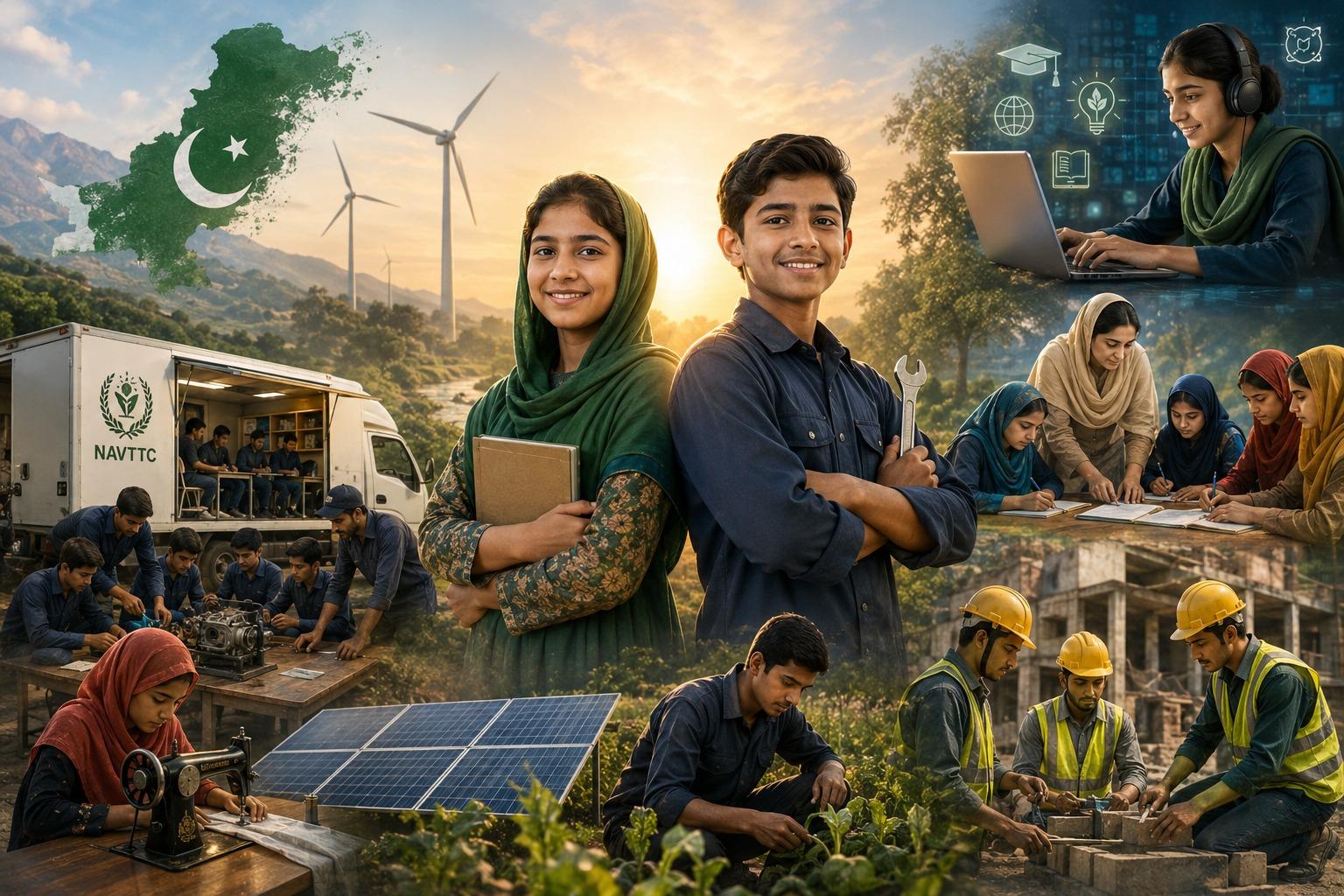
The article addresses Pakistan’s severe education crisis, highlighting that over 22.8 million children between the ages of five and 16 are currently out of school, with girls disproportionately affected. It argues that conventional approaches focused solely on bringing children into traditional schools have not been sufficient, particularly when many children perceive formal education as disconnected from employment opportunities and daily realities.
To address this challenge, the article proposes Hybrid Technical and Vocational Education and Training (Hybrid TVET) as an innovative and practical solution. Hybrid TVET combines basic literacy and academic education with vocational and technical skills such as carpentry, tailoring, IT, plumbing, agriculture, and other employable trades. The model is designed to make education more relevant, flexible, and economically valuable for marginalised and underserved children.
A central theme of the article is reversing the traditional education approach by bringing learning directly to children rather than expecting children to adapt to rigid school systems. Mobile vocational training units are presented as a key strategy for reaching remote and conflict-affected communities where permanent schools are inaccessible. These mobile centres can provide both practical skills training and formal education, offering flexible schedules and pathways toward certification.
The article also emphasises targeted solutions for vulnerable groups. For girls, community-based learning centres led by local women educators can provide culturally appropriate and safe educational spaces while integrating income-generating skills. For refugee populations, particularly Afghan refugees in Pakistan, Hybrid TVET can help rebuild self-reliance through vocational training and foundational education.
Digital technology is identified as another transformative opportunity. With growing internet and mobile broadband access across Pakistan, online and blended learning platforms can expand vocational education through remote learning combined with hands-on practical training at local centres.
Economic support mechanisms are also highlighted as essential. Expanding programmes such as the Benazir Income Support Programme to include incentives for vocational education could help reduce child labour and encourage low-income families to enrol children in training programmes.
Overall, the article presents Hybrid TVET as a flexible, inclusive, and employment-oriented response to Pakistan’s education emergency. It argues that combining literacy with practical skills development can empower millions of out-of-school children, strengthen communities, and create pathways toward sustainable livelihoods and economic resilience.